Process Engineering · Advanced Fibers · Applied R&Dinfo@epcotec.de
EPCOTEC
EN/DE

ENGINEERING & PROCUREMENT MANAGEMENT

One accountable technical path from requirement to operational equipment.

EPCOTEC transforms a production requirement into a coordinated, technically verified and commercially manageable implementation route. We begin by defining the product duty, process conditions, capacity, quality targets, utilities, site interfaces and applicable standards—so every later decision is based on one clear engineering foundation.

From this basis, we prepare specifications, compare technically equivalent offers, coordinate qualified manufacturers and manage the critical interfaces between process equipment, automation, documentation and the production site. Laboratory and pilot systems can be built and validated directly by EPCOTEC, while larger machinery is manufactured through the contractor route best suited to its scale and specialization.

Our responsibility continues through inspection, logistics, installation, commissioning, performance trials and acceptance. The result is not simply purchased equipment, but an operational system whose scope, quality, interfaces and handover criteria remain traceable from the first requirement to reliable production.
Engineering-ledSupplier-independentPilot to plant
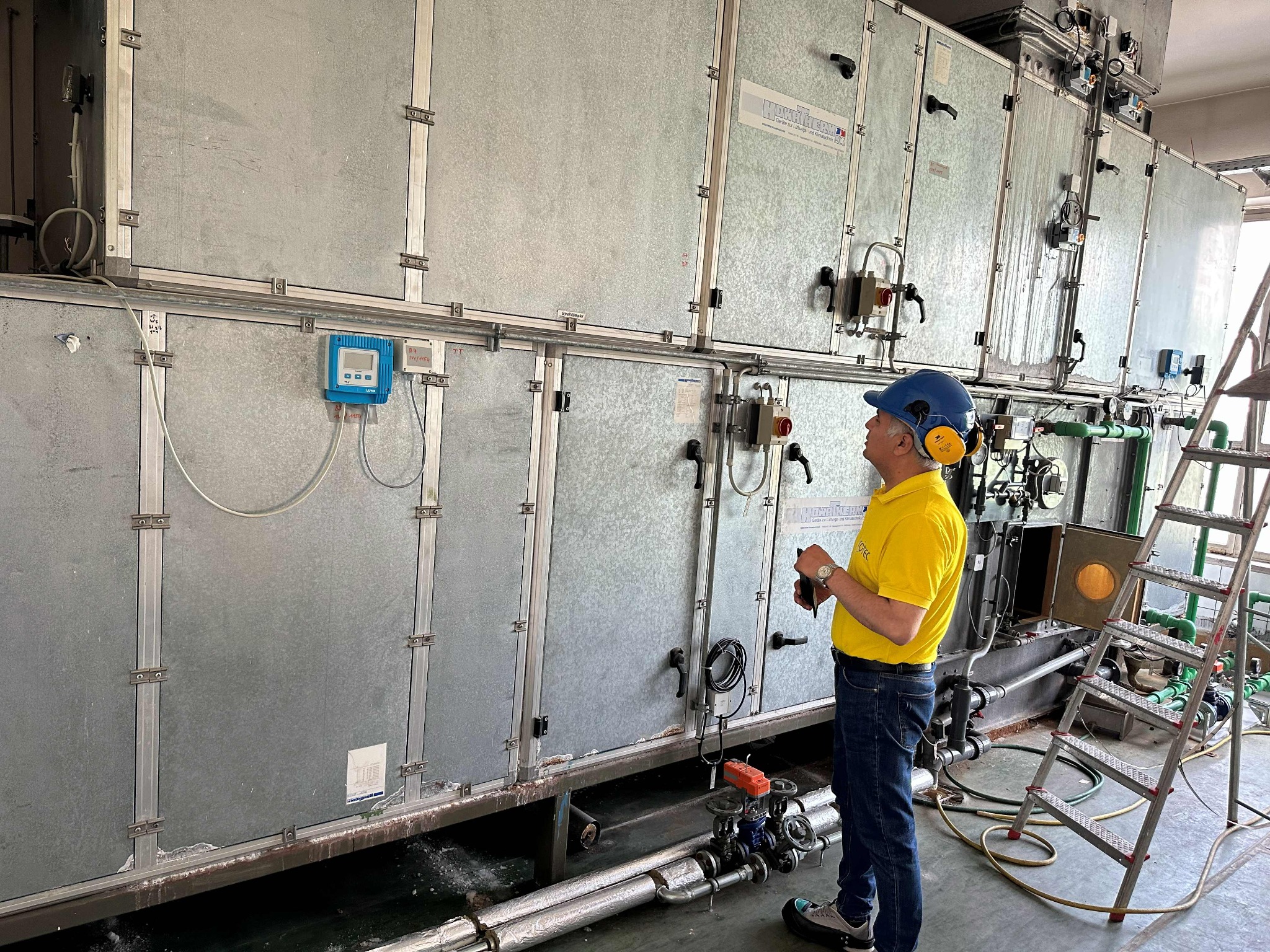
EPCOTEC project director inspecting an industrial climate and process system

THE EPCOTEC ROLE

Engineering and procurement first. Manufacturing through the right route.

EPCOTEC acts as the customer’s technical coordinator and translates the required product, process and capacity into a complete engineering and procurement basis. This includes process definition, specifications, layouts, utility requirements, automation concepts, supplier enquiries, bid evaluation, documentation and acceptance criteria.

Compact laboratory equipment, test rigs and pilot systems can be engineered, assembled and validated directly by EPCOTEC. For large machines and production packages, we select and coordinate qualified manufacturing contractors working against the approved technical scope. This allows each package to be produced through the most suitable route without losing overall project control.

The customer therefore receives one coordinated technical interface rather than a collection of unrelated supplier packages. EPCOTEC closes the boundaries between machinery, controls, safety, utilities, logistics and site installation—and follows the project through inspection, commissioning, performance verification and handover.

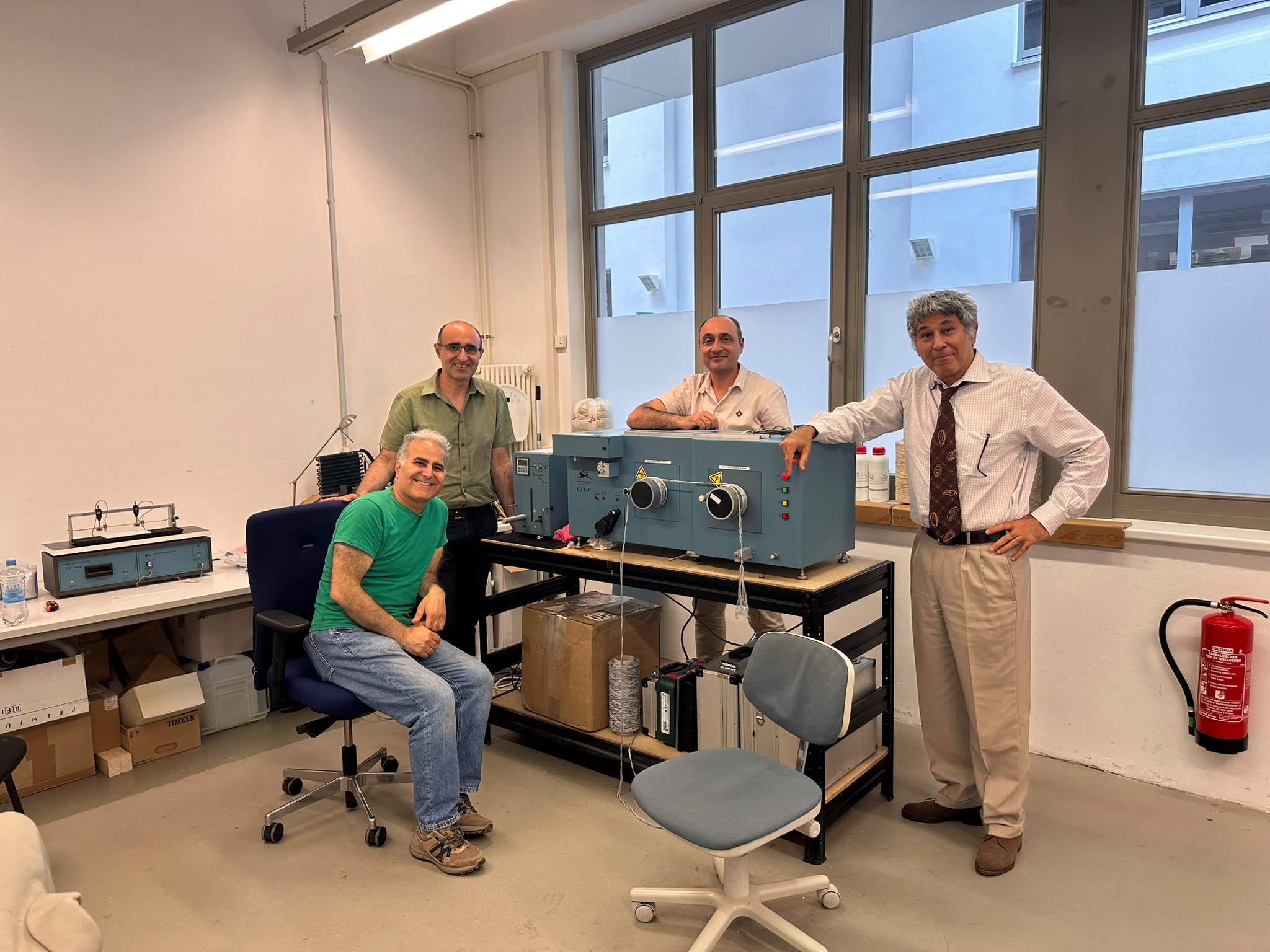
EPCOTEC engineering team with a compact pilot machine
Direct development and validation of compact and pilot systems.
Industrial machinery manufactured to EPCOTEC project specification
Qualified contractor manufacturing under a coordinated technical scope.

INTEGRATED RESPONSIBILITY

Four connected work packages, scaled to the project.

01

Engineering

EPCOTEC converts the required product, capacity and site conditions into a buildable technical basis: feasibility, process selection, flow diagrams, layouts, equipment specifications, utilities, automation, safety interfaces and an implementation plan.

02

Procurement management

The technical basis becomes comparable enquiry packages. We coordinate bidder questions, technical and commercial evaluation, supplier qualification, purchase documentation, expediting and the document register through delivery.

03

Build & integration

Laboratory, pilot and compact special systems can be built and tested by EPCOTEC. Larger machinery is manufactured by qualified contractors while EPCOTEC coordinates process, mechanical, electrical and control interfaces.

04

Delivery & start-up

Inspection, FAT support, packing, transport, export documentation, site interfaces, installation supervision, commissioning, trial production, training and acceptance form one controlled handover to operation.

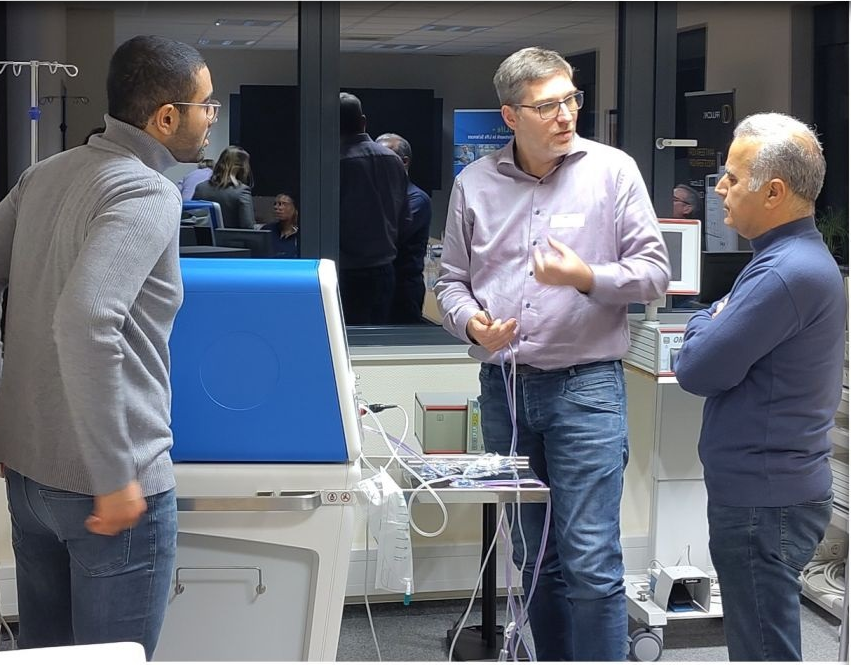
EPCOTEC specialists coordinating a technical development project
Engineering coordinationRequirements, responsibilities and interfaces are made visible before purchasing begins.
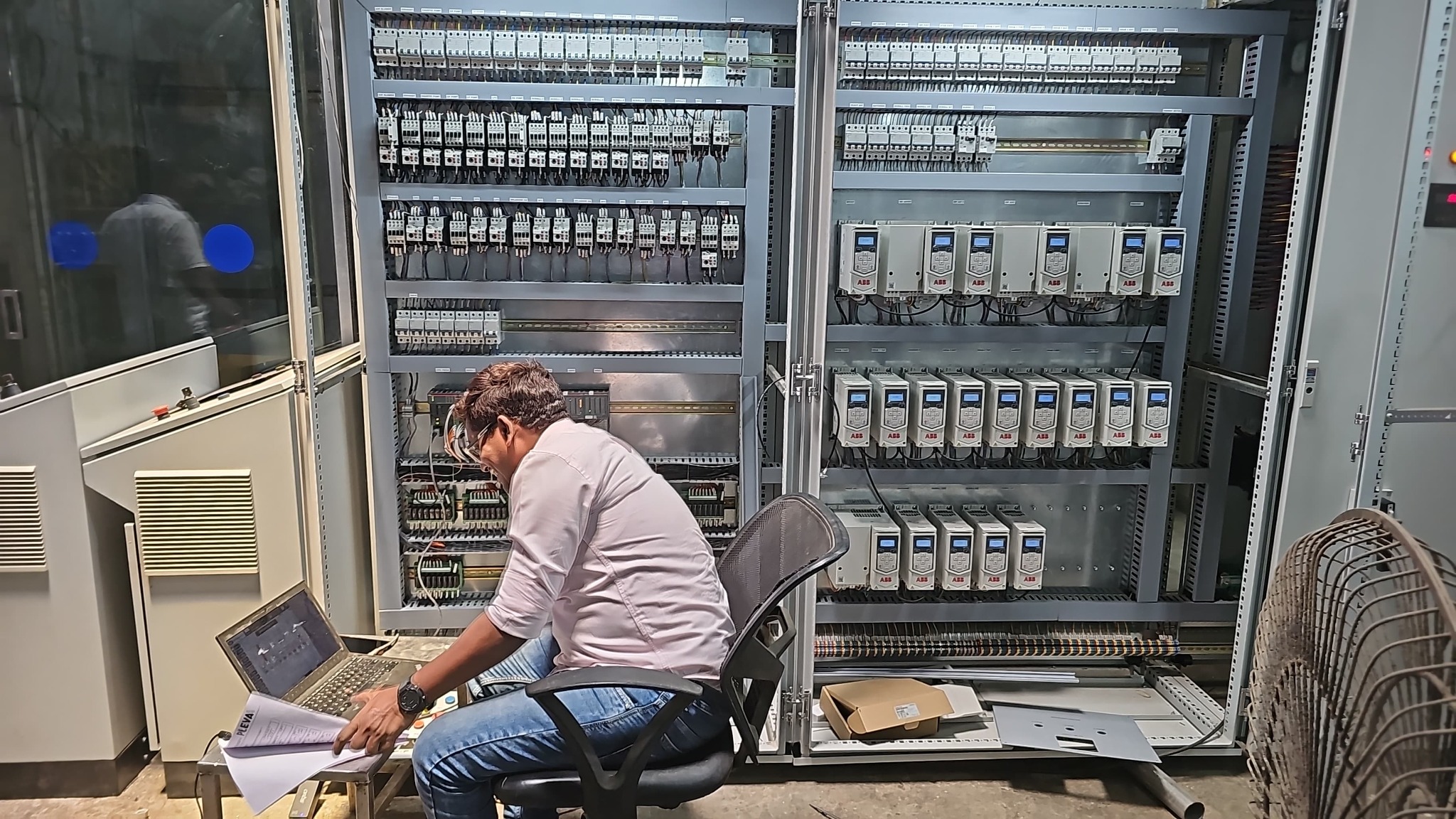
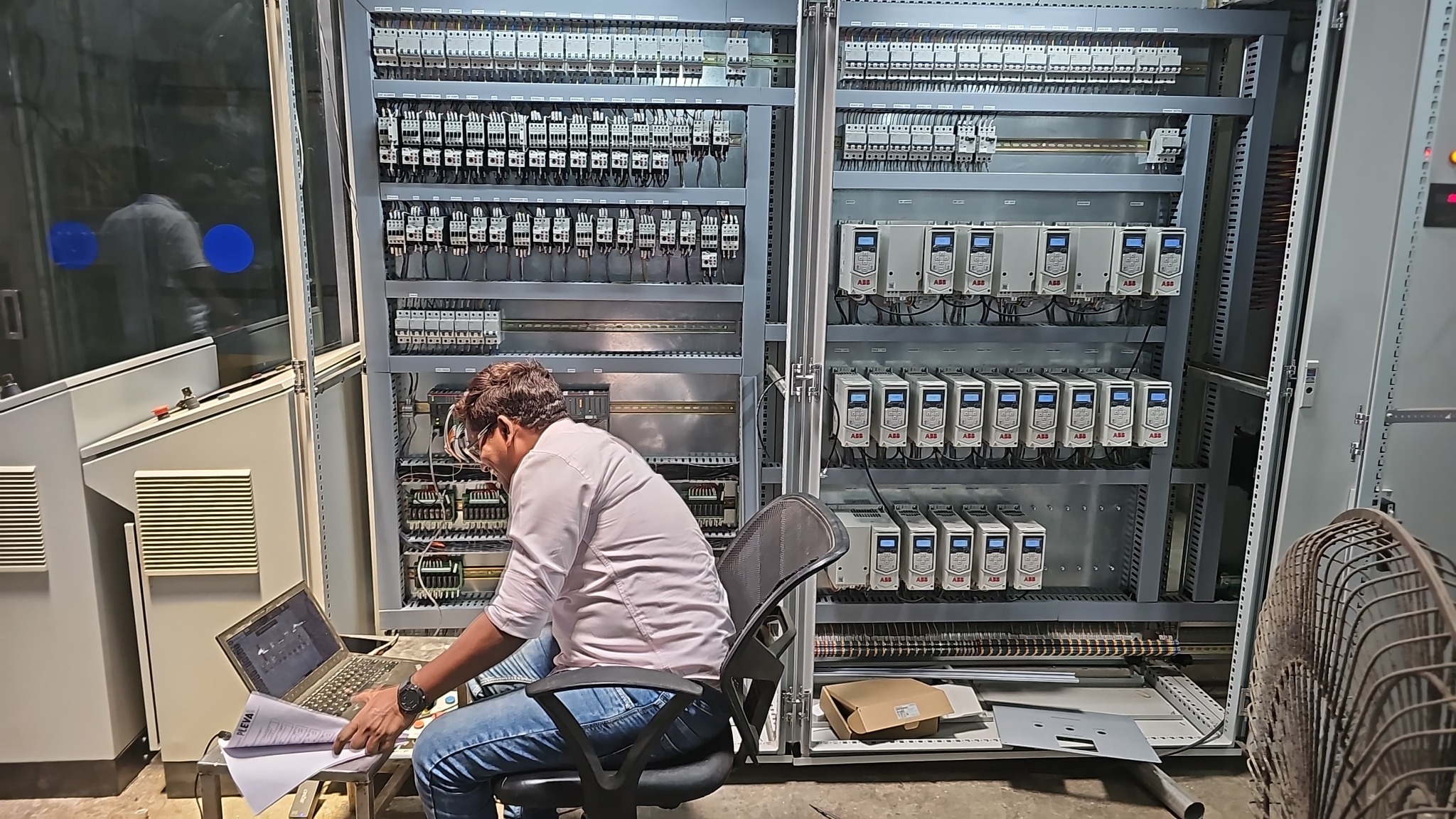
Automation engineer commissioning an industrial control cabinet
Electrical & automation integrationHardware, software, instrumentation and safety are checked as part of the complete process.

PROCUREMENT PORTFOLIO

From technical components to complete equipment packages.

Procurement begins with a controlled specification—not with a brand name. Duty, capacity, materials, interfaces, documentation and acceptance criteria are defined first, allowing technically comparable offers and a transparent purchase decision.

01

Process equipment

Production lines, machinery, auxiliaries, utilities and plant components.

02

Electrical & automation

Control cabinets, drives, instrumentation, sensors and safety systems.

03

Laboratory & analytics

Testing, measurement, sample preparation and quality-control equipment.

04

Materials & consumables

Fibers, polymer chips and granules, dyes, chemicals and textile-production supplies.

05

Engineering packages

Specialist know-how, process studies and application-specific technical services.

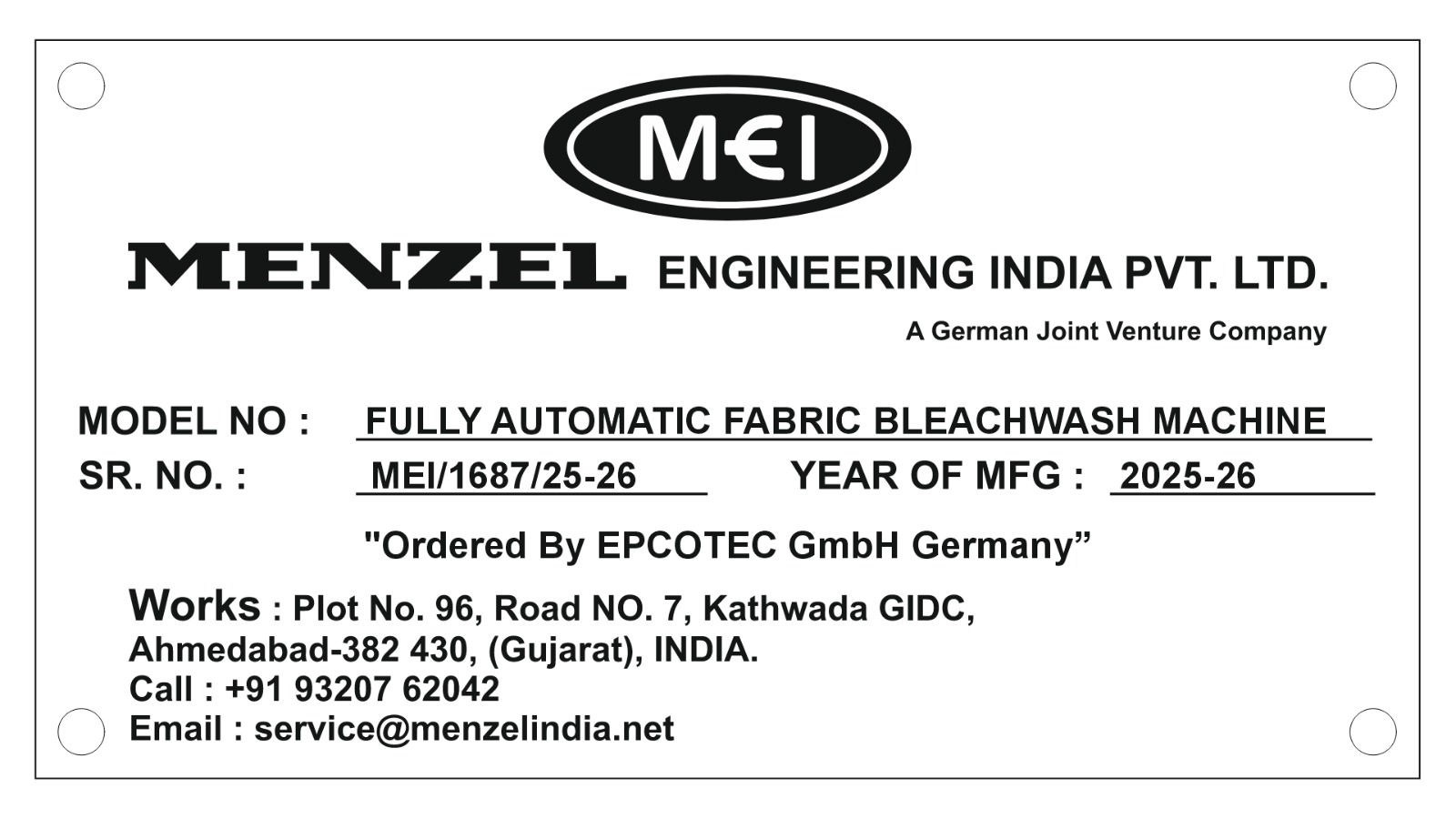
Project manufacturing label showing equipment ordered by EPCOTEC

MAKE · BUY · INTEGRATE

The manufacturing route follows equipment size, risk and specialization.

EPCOTEC buildLaboratory equipment, test rigs, pilot machines and compact special systems.
Qualified contractor buildLarge machines, production modules, structural assemblies and plant-scale packages.
EPCOTEC integrationTechnical specification, interfaces, reviews, inspection, FAT support, documentation and acceptance.

CONTROLLED PROCUREMENT ROUTE

Seven visual checkpoints. One traceable handover.

Scope, quality, schedule and documentation remain connected from the first enquiry through site acceptance.

01Requirement
02Technical specification
03Supplier & bid evaluation
04Purchase & expediting
05Inspection / FAT
06Logistics
07Installation & acceptance

THE EPCOTEC PROJECT PRINCIPLE

Keep one verified technical basis across every commercial and physical handover.

Define before buying

Product duty, capacity, interfaces, standards and acceptance criteria are agreed before enquiries are issued.

Compare like with like

Supplier offers are normalized against the same scope so exclusions, deviations and lifecycle implications become visible.

Validate before scaling

Where technology risk exists, EPCOTEC uses laboratory or pilot evidence to protect the industrial specification.

Close every interface

Engineering, contractors, controls, logistics and site teams work from coordinated documents through commissioning and acceptance.

LOGISTICS & DELIVERY MANAGEMENT

Technical procurement continues until the equipment reaches its destination correctly documented.

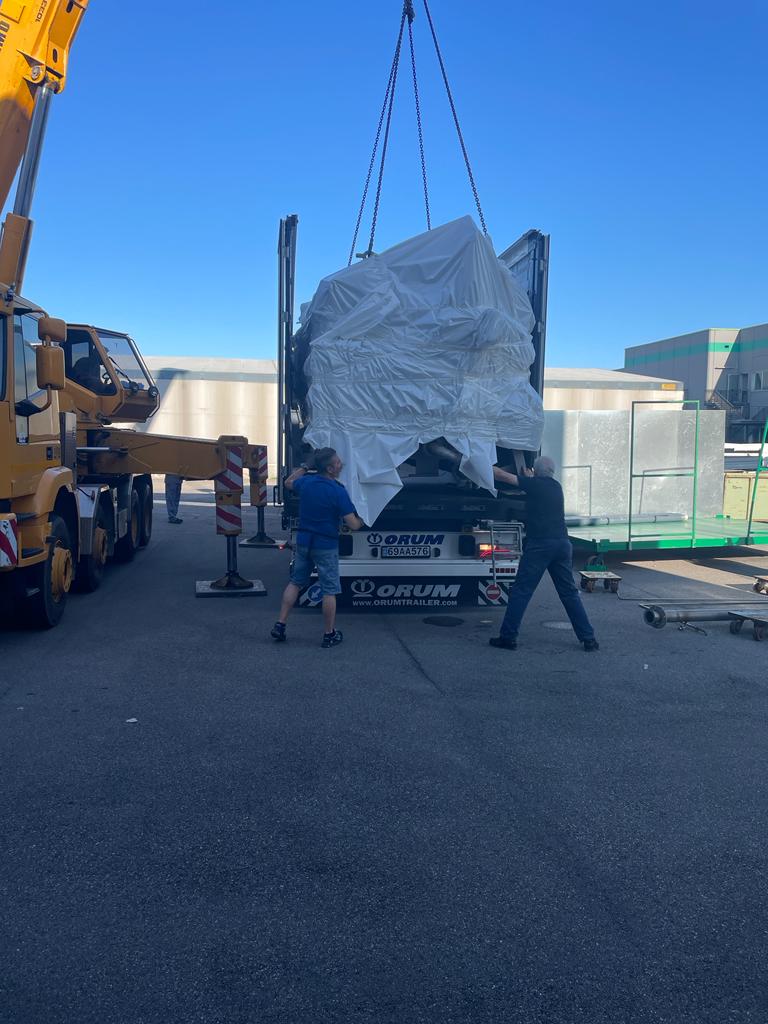
EPCOTEC coordinates packing concepts, export and customs documentation, transport planning, insurance interfaces, lifting and site-delivery requirements. For oversized or sensitive equipment, the delivery route and handling points are reviewed with the same care as the machine interfaces.

Project requirements may includeCE conformityDIN / EN specificationsISO-based quality processesGMP-oriented design
Industrial machine logistics and lifting coordination

INSTALLATION · COMMISSIONING · ACCEPTANCE

The project is complete when equipment, process and documentation work together.

Depending on scope, EPCOTEC supports site readiness, installation supervision, mechanical completion, control checks, cold and hot commissioning, trial production, operator training and acceptance documentation. Performance is assessed against the agreed product, capacity and process criteria.

Discuss an EPM project

THE EPCOTEC PROJECT PRINCIPLE

Pilot first. Validate completely. Then scale up.

Every new EPCOTEC process begins with a purpose-built pilot system. We verify material behavior, product quality, operating stability, safety, energy demand and all critical interfaces. Only after the pilot meets the agreed technical and economic criteria do we define the industrial scale-up and production plant.

  1. 01Pilot designBuild the smallest technically representative system.
  2. 02ValidationTest quality, repeatability, safety and operating window.
  3. 03Scale-up basisTranslate measured results into industrial design data.
  4. 04Industrial plantEngineer, manufacture, commission and optimize.